Introduction
Wireless headphones have become an everyday essential for work, travel, entertainment, online learning, and commuting. As more people invest in quality over-ear headphones, protecting them during storage and transportation becomes increasingly important. While headphones are designed for regular use, they can still be vulnerable to scratches, dust, accidental impacts, and pressure when carried in backpacks, luggage, or travel bags.
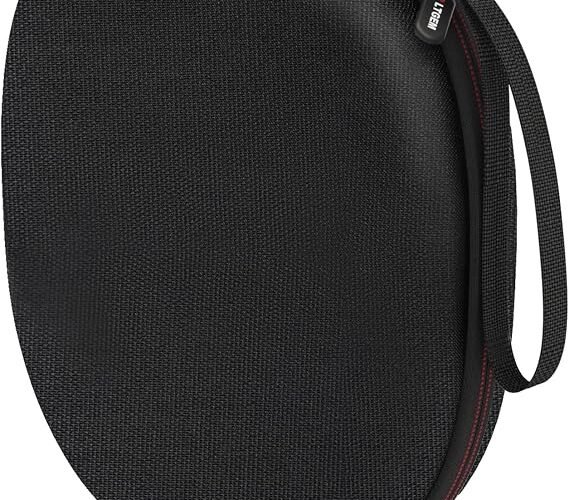
A hard shell headphone case designed for popular models such as the JBL Tune 510BT, JBL Tune 720BT, JBL Tune 770NC, Soundcore Q20i, Soundcore Q30, Sony WH-CH720N, Sony WH-CH520, JLab, BERIBES, and KVIDIO headphones provides a dedicated storage solution intended to help keep compatible headphones organized and protected when they are not in use.
Rather than viewing a headphone case as simply another accessory, it can be considered part of maintaining your audio equipment. Proper storage may help reduce unnecessary wear caused by everyday transportation while making it easier to keep charging cables and other small accessories together.
This guide explains the purpose of a hard shell headphone case, explores its common features, discusses practical usage scenarios, and highlights important considerations before selecting a protective carrying case.
Why Use a Dedicated Headphone Case?
Many wireless headphones are foldable, making them easier to carry. However, placing them directly inside a backpack or suitcase means they may come into contact with:
- Keys
- Chargers
- Water bottles
- Books
- Laptops
- Clothing zippers
- Other electronic accessories
Over time, these items can contribute to cosmetic wear or place pressure on the headphones during travel.
A dedicated hard shell case creates a separate storage space that can help:
- Protect against scratches
- Reduce exposure to dust
- Help organize accessories
- Minimize pressure from other packed items
- Keep headphones easier to locate in larger bags
Although no case can guarantee protection against every type of impact or accident, a structured carrying case generally offers more protection than storing headphones loosely inside a bag.
Key Features
Hard Shell Exterior
One of the defining characteristics of this style of case is its rigid outer shell.
Compared with soft fabric pouches, a hard shell design is intended to provide additional resistance against:
- Everyday bumps
- Compression inside luggage
- Minor impacts
- Pressure from surrounding items
The exact level of protection depends on the construction materials and how the case is used.
Designed for Multiple Headphone Models
Instead of fitting only one specific headphone, this case is intended to accommodate several compatible models, including:
- JBL Tune 510BT
- JBL Tune 720BT
- JBL Tune 770NC
- Soundcore Q20i
- Soundcore Q30
- Sony WH-CH720N
- Sony WH-CH520
- Selected JLab headphones
- Selected BERIBES headphones
- Selected KVIDIO headphones
Because manufacturers occasionally update product dimensions, it is advisable to verify compatibility with your exact headphone model before purchasing.
Compact Travel Design
Many headphone cases are designed to fit conveniently inside:
- Backpacks
- Carry-on luggage
- Laptop bags
- Messenger bags
- Suitcases
A compact profile can make it easier to transport headphones while helping to keep them protected from loose items inside the bag.
Zipper Closure
A zippered closure helps keep the case securely closed during transport.
Depending on the design, this may also help reduce dust entering the storage compartment while keeping accessories together.
Interior Protection
Many hard shell cases include a softer interior lining designed to reduce direct contact between the headphones and the outer shell.
This interior layer can help minimize cosmetic scratches that may occur during storage.
Accessory Storage
Some headphone cases include an internal mesh pocket or storage compartment for small accessories such as:
- USB charging cables
- Audio cables (if compatible)
- USB adapters
- Airline adapters
- Small Bluetooth transmitters
- Cleaning cloths
Keeping accessories in one location can make travel more organized and reduce the chance of misplacing small items.
How It Can Be Used
Daily Commuting
Many commuters carry headphones between home and work each day.
A dedicated case can help protect the headphones while they are stored in:
- Work bags
- Laptop backpacks
- Briefcases
- Tote bags
Rather than being compressed beneath books or electronics, the headphones remain inside their own protective compartment.
Air Travel
Travelers often carry headphones for:
- In-flight entertainment
- Music
- Podcasts
- Movies
- Audiobooks
A hard shell case can help keep the headphones organized inside carry-on luggage while reducing contact with other travel items.
It may also make it easier to quickly remove the headphones during airport security checks or while boarding.
Road Trips
Long car journeys frequently involve bringing entertainment devices for passengers.
A protective case helps store headphones between listening sessions and may reduce tangling with charging cables or other accessories.
Office Storage
At work, headphones may spend part of the day on a desk and part of the day stored inside a drawer or bag.
Using a case can help keep them cleaner and reduce accidental pressure from other office items.
School and University
Students often carry multiple devices throughout the day, including:
- Laptops
- Tablets
- Chargers
- Textbooks
- Stationery
A headphone case helps separate delicate electronics from heavier school supplies.
Home Organization
Even at home, a storage case can help prevent headphones from being left on tables, chairs, or beds where they may accidentally be sat on or knocked to the floor.
Who It May Be Suitable For
A hard shell headphone case may be useful for many different types of users.
Frequent Travelers
People who regularly travel by:
- Plane
- Train
- Bus
- Car
may appreciate having a dedicated place to store their headphones during transport.
Remote Workers
Professionals who carry wireless headphones between home and the office can benefit from additional protection during daily commuting.
Students
Students moving between classrooms or campus buildings often carry multiple electronic devices. A dedicated case can help keep headphones organized alongside other equipment.
Music Listeners
People who listen to music throughout the day may simply prefer having a designated storage location when the headphones are not in use.
Owners of Compatible Headphones
Because the case supports multiple compatible headphone models, it may also be useful for households where more than one compatible headset is used.
Important Things to Consider
Before choosing a headphone case, there are several practical factors worth considering.
Confirm Compatibility
Even when a case lists multiple compatible models, always verify that your exact headphone version is included.
Some manufacturers release updated versions that may differ slightly in size or folding design.
Foldable Design
Many over-ear wireless headphones fold inward.
If your headphones do not fold in the same way as the models listed, the fit inside the case may differ.
Interior Storage Needs
If you regularly carry charging cables or adapters, consider whether the case includes enough internal storage space for your accessories.
Protection Expectations
A hard shell case is intended to provide everyday protection during normal transport and storage.
It should not be considered indestructible or a substitute for careful handling.
Bag Size
Although designed to be portable, adding any protective case increases the overall size of the item being carried.
If space is limited, check the case dimensions to ensure it fits comfortably inside your preferred bag.
Comparing General Storage Options
Choosing between different storage solutions depends on how and where your headphones are used.
| Storage Option | Protection Level | Portability | Organization |
|---|---|---|---|
| Hard Shell Case | Structured protection against everyday bumps and pressure | Good | Excellent |
| Soft Fabric Pouch | Basic scratch protection | Excellent | Moderate |
| No Dedicated Case | Minimal protection | Excellent | Limited |
Each option has advantages depending on individual preferences. A hard shell case generally offers more structure for transportation, while soft pouches emphasize lightweight portability.
Tips for Keeping Your Headphones in Good Condition
A protective case is one part of maintaining your headphones. Additional care practices include:
- Store the headphones after each use when possible.
- Keep charging cables neatly coiled to reduce wear.
- Clean ear cushions according to the manufacturer’s recommendations.
- Avoid exposing headphones to excessive heat or moisture.
- Keep liquids separate from electronic accessories during travel.
- Avoid placing heavy objects directly on top of stored headphones.
Frequently Asked Questions
Why use a hard shell case instead of a soft pouch?
A hard shell case generally provides more structure and may offer better protection against everyday pressure and minor impacts, while a soft pouch primarily helps reduce scratches.
Can the case hold charging cables?
Many hard shell headphone cases include an internal pocket or compartment suitable for storing small accessories such as charging cables or adapters. The exact storage capacity depends on the case design.
Is the case waterproof?
Protection against water varies by model. Unless the product specifications specifically state a waterproof rating, it is best to assume the case is intended primarily for protection against everyday storage conditions rather than full water exposure.
Does a hard shell case prevent all damage?
No. While a protective case may help reduce everyday wear and minor impacts, no storage case can guarantee protection against every type of accident or severe impact.
Can the case be used only for one headphone brand?
No. This type of case is designed for compatibility with multiple headphone models from brands including JBL, Soundcore, Sony, JLab, BERIBES, and KVIDIO, provided the dimensions are compatible.
Is it useful for home storage?
Yes. Even when headphones are primarily used at home, a dedicated case can help keep them clean, organized, and protected when they are not in use.
Conclusion
A hard shell headphone case compatible with models such as the JBL Tune 510BT, JBL Tune 720BT, JBL Tune 770NC, Soundcore Q20i, Soundcore Q30, Sony WH-CH720N, Sony WH-CH520, JLab, BERIBES, and KVIDIO headphones is designed to provide a convenient storage solution for everyday use and travel.
Its structured exterior, compact design, and compatibility with several popular headphone models make it a practical accessory for users who regularly carry their headphones between home, work, school, or while traveling. In addition to helping keep headphones organized, a dedicated case can contribute to reducing cosmetic wear caused by everyday transportation and storage.
As with any accessory, the most suitable option depends on your specific headphone model, storage needs, and how frequently you travel or commute. Taking a few moments to confirm compatibility and consider how you plan to use the case can help you choose a storage solution that fits your routine.